
Social media is flooded with dazzling smile makeovers from Istanbul and Antalya. While dental crowns and porcelain veneers have historically dominated the medical tourism scene, a newer, cheaper alternative has taken over the spotlight: Composite Bonding (also known as resin bonding).
With prices in Turkey often sitting at a fraction of what dental clinics charge in the UK, Europe, or the US, the offer seems irresistible. You can get a full set of composite edge-bonding for less than the price of a single porcelain veneer back home.
But as an independent dental audit platform, we at TurkDentalIndex have to ask the hard question: At these rock-bottom prices, are Turkish clinics cutting corners? Or is it genuinely possible to get world-class composite bonding on a budget?
Here is the unfiltered truth about composite bonding in Turkey, the hidden risks of ultra-cheap offers, and how to ensure you receive safe, high-quality treatment.
1. The Artistry Factor: Why Cheap Bonding Often Looks Like “Chiclets”
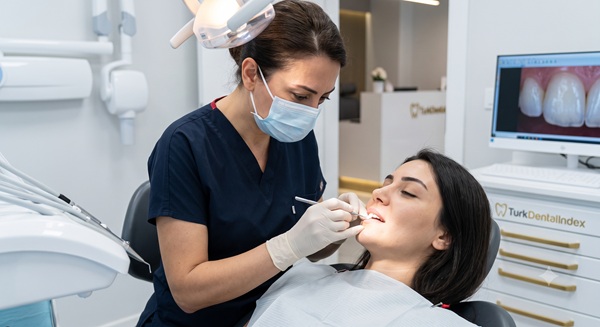
Unlike dental crowns or laminate veneers, which are custom-fabricated in a high-tech dental laboratory over several days, composite bonding is handcrafted directly on your teeth by the dentist.
It is not just dentistry; it is dental sculpting. The dentist must manually apply, layer, shape, and polish the composite resin to mimic the natural translucency, micro-textures, and contours of your natural enamel.
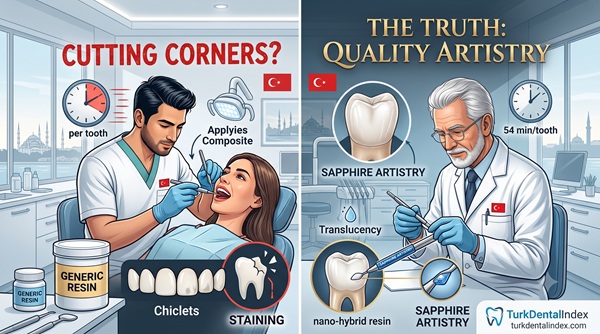
- The “Corner-Cut” in Budget Clinics: Time is money. To offer a full-mouth composite bonding package for $1,000, a clinic must run a high-volume assembly line. The dentist is rushed, spending only 10 to 15 minutes per tooth.
- The Result: Blocky, opaque, monochromatic teeth that lack natural light reflection—often resembling white “Chiclets” gum.
The TurkDentalIndex Warning: High-quality composite bonding takes time. A master cosmetic dentist will spend up to 45 minutes to an hour per tooth to perfectly layer different shades and achieve a natural look. If a clinic promises a full-mouth bonding in under two hours, they are rushing the process.
2. Material Science: Industrial Resins vs. Premium Aesthetics
Not all composite resins are created equal. The market ranges from cheap, basic restorative composites (meant for hidden back fillings) to ultra-premium, nano-hybrid cosmetic resins designed specifically for front-teeth aesthetics.
| Material Grade | Common Brands Used | Properties & Durability | Esthetic Result |
|---|---|---|---|
| Premium Nano-Hybrid | Empress Direct, Tokuyama, Filtek Supreme | High wear resistance, holds polish for years, mimics natural enamel light-reflection. | Highly Aesthetic & Seamless |
| Standard Restorative | Generic Microfills / Hybrids | Prone to early staining (from coffee/tea), chips easily, loses shine within months. | Opaque & Dull |
Many low-cost dental packages cut corners by utilizing standard restorative composites on your front teeth. While it looks acceptable on day one, you will find yourself dealing with dullness, chipping, and severe staining around the margins within 12 to 18 months.
3. The Dangerous Shortcut: Skipping Critical Preparations
A major risk of rapid-fire composite bonding in Turkey is the complete neglect of the patient’s underlying oral health. For composite bonding to succeed and remain hygienic, the foundations must be immaculate.
Some low-cost clinics will skip or rush these vital steps to save time and overhead:
- Ignoring Gum Disease: Furthermore, placing composite resin over inflamed, bleeding gums can introduce moisture and weaken the bond. This leads to micro-leaks, trapping bacteria beneath the resin, which eventually causes severe decay (cavities) on the natural tooth underneath.
- Failing to Treat Bite Issues (Occlusion): If you have an untreated crossbite, deep bite, or bruxism (teeth grinding) and the dentist doesn’t adjust the composite to your bite mechanics, your new bonding will chip or snap off within days of returning home.
4. The Post-Op Nightmare: Lack of Aftercare and Refinements
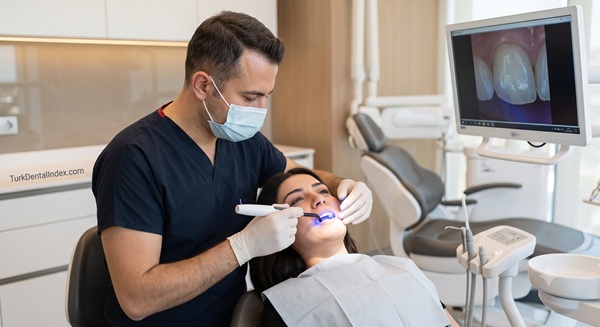
Composite bonding is not a “one-and-done” treatment. It requires regular maintenance. In your home country, if a bonded edge chips, you can easily pop back into your dentist’s office for a quick 10-minute repair.
If you fly to Turkey for a cheap package and a tooth chips two weeks later, you cannot easily fly back. Standard local dentists in your home country are often highly reluctant to touch or repair work done abroad, and if they do, they will charge you premium rates, completely erasing any initial savings you made in Turkey.
How to Get Safe, High-Quality Composite Bonding in Turkey
Can you get exceptional composite bonding in Turkey? Absolutely. Turkey is home to world-class cosmetic dentists who are true artists. The key is avoiding the “dental mills” and booking with reputable, accredited clinics.
Use this checklist before booking:
- Ask for the Brand of Resin: Ask the clinic directly: “Which composite resin brand does the dentist use for cosmetic bonding?” Look for premium names like Tokuyama Estelite, IPS Empress Direct, or 3M Filtek.
- Check the Dentist’s Portfolio: Do not just look at clinic-wide “Before & After” photos. Ask specifically for the portfolio of the actual dentist who will perform your treatment. Look closely at the gum line (it should look clean, not thick or red) and look for natural translucency at the tips of the teeth.
- Avoid “Too-Good-To-Be-True” Packages: If a package includes a 5-star hotel, VIP transfers, a full-mouth smile makeover, and excursions for under $1,200, realize that the clinic is heavily cutting corners on medical materials and clinical time to cover those luxury costs.
The TurkDentalIndex Verdict
Composite bonding is a highly technique-sensitive procedure. When clinics cut corners on time, material quality, or preparation, problems can quickly follow. As a result, you may face stained, bulky, or damaged teeth. Fixing these problems back home could cost you twice as much.
Do not go for the cheapest flyer on Instagram. Invest in an ethical, reputable Turkish clinic that prioritizes dental artistry and clinical health over assembly-line speed. Your smile deserves nothing less.
Leave a Reply